
How Sliding Glass Office Doors Can Improve Collaboration and Privacy in Open-Plan Offices
The open-plan office has greatly changed the scene of the modern workplace. Originally meant to encourage more cooperation, free interaction, and a flatter hierarchy, these designs may fail by adding problems including too noisy environments, visual distractions, and a general lack of privacy. Ironically, employees who struggle to focus, have private talks, or find quiet areas for deep work impede the very productivity and attention to detail that cooperation sometimes demands. A major design difficulty is bridging the gap between the basic need for individual and group privacy and the want for an integrated environment. An elegant and very efficient solution, sliding glass office doors provide a dynamic balance that can turn the open-plan setting from a possible distraction zone into a flexible, high-performance workspace that really fosters both focus and teamwork.
Balancing Connection with Visual Openness
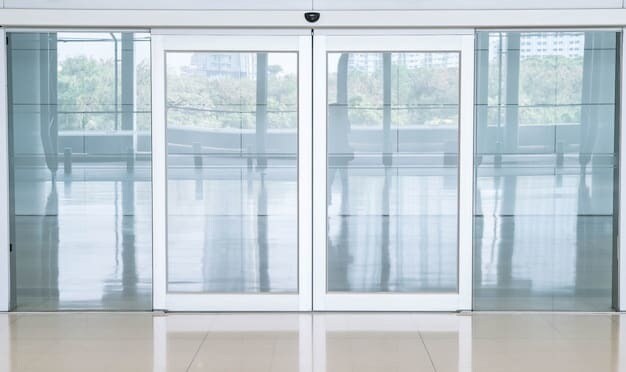
Sliding glass doors have one main benefit: its natural transparency immediately addresses the open-plan purpose of promoting connection. Unlike opaque walls that totally separate teams or people, glass keeps visual connectivity all around the office. Natural light can enter the space more deeply because to this openness, so producing a more pleasant environment. More importantly, it lets staff members know who is free, therefore strengthening community and increasing the likelihood of casual contacts. When the doors are open, they elegantly combine the contained area with the greater workplace, ideal for bigger team meetings or when a project calls for flexible communication and movement. Without the physical barrier of conventional swinging doors, the “sliding” mechanism allows an area to rapidly become part of the greater collaborative pool or a designated, visually accessible huddle location.
Providing Essential Acoustic and Visual Privacy
These doors provide important degrees of privacy that open layouts usually lack, even as they encourage visual interaction. Closed sliding glass doors establish rooms or zones, therefore offering a physical and visual barrier necessary for concentrated work or private conversations. Although conventional glass provides less acoustic separation than solid walls, specifying laminated or double-glazed choices can greatly reduce noise levels, therefore creating quiet havens for concentration, private phone calls, or delicate virtual meetings where interruptions are negative. Moreover, the ability to see into a room lets colleagues determine availability without disturbance, therefore providing a subtle kind of visible privacy. When more discretion is needed, frosted, etched, or switchable smart glass can quickly provide complete visual privacy while still allowing light transmission, so ensuring that private meetings or personal focus time remains undisturbed by the surrounding activity of the open office.
Conclusion
In open-plan offices, sliding glass office doors provide a clever and efficient way to balance natural conflict between privacy and teamwork. They design visually linked but sonically buffered, open yet readily partitioned, stationary but dynamically reconfigurable rooms by using the transparency of glass and the adaptability of the sliding mechanism. They provide a more intelligent use of space, therefore promoting spontaneous conversation when wanted and the required seclusion and quiet for concentrated work. They do not only divide space. In the end, including sliding glass doors helps create a more harmonic and productive work environment, one that really supports the various needs of modern employees, enabling them to cooperate properly and concentrate deeply, so balancing the modern office scene.