
Breaking Down the Real Cost of Quartz Countertops
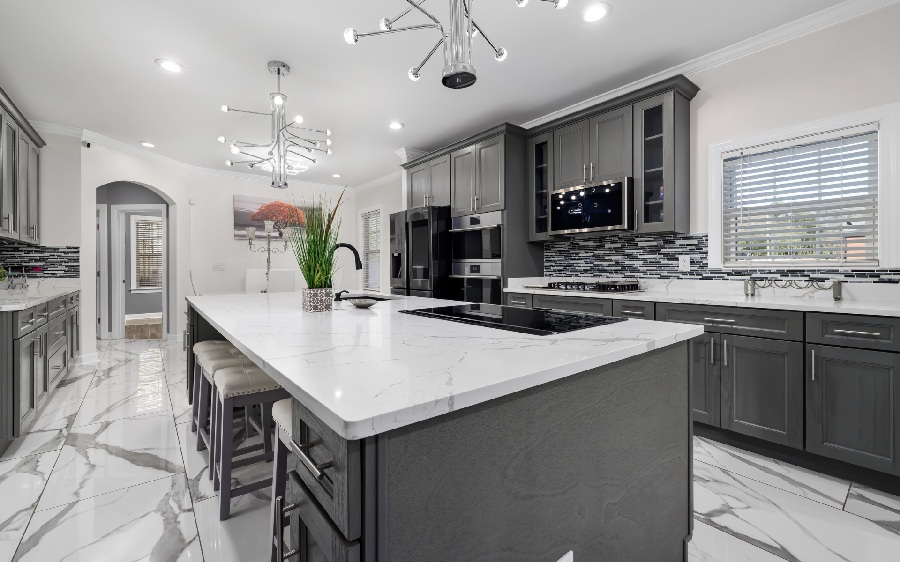
For homeowners planning a kitchen or bathroom remodel, cost of quartz countertops is one of the first questions to consider. Quartz has become one of the most popular countertop materials in California homes—and for good reason. It delivers unmatched durability, a polished look, and easy maintenance, but understanding the cost factors can help you make smarter financial decisions before diving into your remodel.
Quartz countertops are engineered from a mix of natural quartz crystals, resins, and pigments, giving them the look of stone with greater uniformity and resilience. They’re non-porous, which means they resist stains, bacteria, and moisture—qualities that make them perfect for busy kitchens or family bathrooms.
The Factors That Shape Quartz Countertop Costs
The price of quartz countertops varies based on several elements: brand, color, edge design, thickness, and installation complexity. Standard quartz slabs typically cost between $50 and $120 per square foot, including installation, but high-end designs can reach $150 or more per square foot for premium finishes or unique patterns.
Thickness plays a major role—3cm slabs are thicker and more durable but also pricier than 2cm options. Homeowners can also choose between polished, matte, or textured finishes, each with its own price tag. Custom edges and cutouts for sinks or cooktops add to labor costs but enhance the final aesthetic.
Understanding Installation and Labor Costs
While some homeowners consider DIY options, professional installation ensures precision and longevity. Fabricators measure, cut, and seal each countertop piece for a perfect fit, preventing future issues like cracking or uneven surfaces. Hiring a licensed contractor guarantees that your quartz investment maintains both form and function for years to come.
Local market conditions in California can influence labor costs. Urban areas like Sacramento or San Francisco may see slightly higher installation rates, while smaller cities often have lower averages. Regardless, professional expertise is worth the expense—especially for homeowners seeking seamless finishes and long-term value.
How to Estimate Total Costs
Creating an accurate Cost of Quartz Countertops Estimate begins with assessing the size of your project. Start by measuring the square footage of all countertop surfaces, factoring in any backsplashes or waterfall edges you’d like included. Then multiply the total area by the average cost per square foot for your chosen quality level.
For example, a 40-square-foot kitchen space with mid-range quartz could cost around $3,500 to $4,800 installed, depending on customization. Always include potential delivery and removal fees for old countertops in your final budget.
Hidden Costs and Budget-Saving Tips
It’s easy to overlook smaller costs that add up, such as sink cutouts, seam polishing, and edge upgrades. If you’re working with a strict budget, stick with standard slab sizes, straight edges, and local suppliers to avoid extra freight costs.
California homeowners can also save money by selecting remnants—leftover pieces from larger slabs. These are ideal for smaller areas like bathroom vanities or laundry rooms and often sell at discounted rates.
Comparing Quartz with Other Materials
Quartz is typically priced higher than laminate or tile but offers far greater longevity and aesthetic appeal. Compared with granite or marble, quartz is less porous and more consistent in color, requiring no sealing. Over time, this reduces maintenance costs, making it a wise long-term investment.
Homeowners also love that quartz is available in hundreds of colors—from natural stone replicas to sleek, modern tones—allowing customization for every home style.
Why Quartz Is a Smart Investment
Quartz countertops not only enhance your kitchen’s look but also boost property value. Potential buyers view them as a premium feature, especially when paired with updated cabinetry and fixtures. Their non-porous surface also promotes hygiene—a growing priority in modern homes.
Durability is another major advantage. Quartz can last decades with minimal upkeep, resisting scratches and heat better than many other materials. Regular cleaning with mild soap and water keeps it looking brand new for years.
A Reflection of Quality and Craftsmanship
Like many Leading American companies, quartz manufacturers continuously innovate to deliver eco-friendly production methods and long-lasting materials. Many modern quartz brands incorporate recycled content, reducing waste and supporting sustainable construction practices.
Investing in quartz countertops is more than just a design decision—it’s a reflection of craftsmanship, reliability, and pride in your home’s foundation.
Final Thoughts
The cost of quartz countertops varies, but their long-term benefits make them worth every dollar. With proper planning and a realistic budget, homeowners can achieve the perfect balance between elegance and practicality.
Whether you’re renovating a kitchen or upgrading a bathroom, quartz remains one of the most dependable and beautiful materials on the market. Durable, low-maintenance, and timeless—it’s the kind of upgrade that enhances both your home’s style and its value for years to come.