
The Role of Cybersecurity in Protecting Financial and Public Systems
In the modern, more digitalized ecosystem, cybersecurity has emerged as an essential foundation of safeguarding financial institutions and infrastructures. With the shift of economies towards online banking, online payments, and online governance, the necessity to have good security frameworks has never been greater.
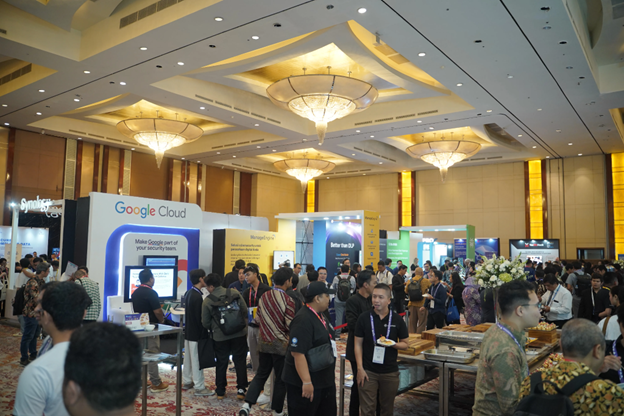
As a way of creating awareness and enhancing professional knowledge, companies are also attending regular cybersecurity seminars, where the key topics are the new types of threats and defense mechanisms, as well as actual case studies. Such platforms are instrumental in imparting the professionals with the skills required to keep up with the changing cyber threats in protecting critical systems.
Why Cybersecurity Matters for Financial and Public Systems
Cyberattacks targeting financial and public systems are the best since these systems hold lots of sensitive and valuable data. Banks, insurance companies, government portals, healthcare systems, and payment networks all require the use of secure digital infrastructure to operate efficiently.
One single breach of cyberspace can have devastating impacts, which include lost money, stolen identity, disruption of services, and mistrust of the organization. It may even have an impact on national security in other instances. This renders cybersecurity to be not only an IT issue but also a strategic need among both governments and enterprises.
The current digital ecosystems demand extensive monitoring procedures, security upgrades, and proactive elements to detect and mitigate threats to maintain the stability and reliability of all the interconnected systems.
Major Cyber Threats Facing Modern Systems
Cyber threats have been increasingly becoming more complex and sophisticated, and it is therefore necessary that organizations stay abreast of the changes in attack techniques.
1. Phishing Attacks
By sending spoof emails, messages, or messaging or spoof sites, cybercriminals exploit unsuspecting users to disclose confidential information like passwords and bank accounts.
2. Ransomware Attacks
Malware programs encrypt access to the system or data and require payment of money to unlock it, leading to operational downturn in many cases.
3. Data Breaches
Hacking into confidential data may result in huge personal, financial, or governmental data spills.
4. Insider Threats
Internal stakeholders or employees can easily undermine security systems, whether unintentionally or deliberately; insider threats are also hard to detect.
5. Distributed Denial of Service (DDoS).
Attackers flood systems with traffic overload, which causes websites or services to crash (temporarily or permanently).
Importance of Cyber Awareness and Training
Cybersecurity cannot be simply achieved by technology alone. Human consciousness is vital in averting cyber incidents. Simple errors like using weak passwords or clicking on harmful links are some of the causes of many security breaches.
To contain this, organizations are further investing in training programs, workshops, and awareness campaigns. Attending cybersecurity seminars assists professionals to learning the patterns of attacks, enhancing responses, and achieving general hygiene of security.
Also, participation in cybersecurity seminars will enable the experts of various industries to communicate, exchange experience, and discuss practical issues, as well as innovative methods of mitigating threats to information security.
Cybersecurity in Financial Systems
Financial systems are very sensitive to cyber threats because they are based on trust, speed, and precision. Banks and other financial institutions have to make sure that the data and the transactions of their customers are secure at all times.
In order to ensure security, the following are important:
- Transaction end-to-end encryption.
- Multi-factor authentication systems.
- Artificial intelligence-based fraud detection solutions.
- Continuous transaction monitoring.
- Digital banking system secure API integrations.
These technologies will allow financial institutions to identify anomalies in real-time and thwart unauthorized access prior to injury.
Moreover, there are regulatory compliance frameworks that make sure that banks adhere to stringent cybersecurity practices in order to be transparent and secure.
Cybersecurity in Public Infrastructure
Government databases, transportation systems, and healthcare networks are the systems in the government that have been an important part of day-to-day life. The effects of any interference with these systems can affect millions of individuals at the same time.
Governments are embracing: to be resilient, they are embracing:
- Cybersecurity monitoring systems that are centralized.
- Effective data protection laws.
- Encrypted Cloud security models.
- Response and recovery plans.
- Periodic audit and evaluation of security.
The measures are useful in ensuring that even when there is a cyber incident, vital services provided to the people are still operational.
Cybersecurity Strategy Comparison Table
The following table provides a clear comparison of how different sectors apply tailored cybersecurity strategies to address their unique risks and operational challenges.
| Area | Key Risk | Protection Strategy |
| Banking & Finance | Fraud & unauthorized access | Encryption & AI monitoring |
| Government Systems | Data leaks & espionage | Secure cloud infrastructure |
| Healthcare Networks | Patient data exposure | Access control & audits |
| Transportation Systems | Service disruption | Real-time monitoring |
Role of Collaboration and Global Events
The sphere of cybersecurity is a dynamic one and needs worldwide collaboration and the exchange of information. There is no individual organization or nation capable of addressing cyber threats.
International forums and industry conferences have given the experts a platform to work cooperatively, provide insights, and discuss the most advanced security solutions. This invites cybersecurity leaders, policymakers, and technology professionals to solve regional and global security issues.
Such services present advantages that enable organizations to be ahead of emerging threats as well as enhance collective defense mechanisms.
Conclusion
Cybersecurity has turned into a necessity to safeguard financial stability and trust of the population in the ever-more digital world. With the continued changes in cyber threats, organizations have had no choice but to embrace newer and superior technologies, increase due diligence in their awareness initiatives, and promote international cooperation in a bid to survive.
IndoSec is a big cybersecurity conference, which will be held on 15-16 September 2026 in the Ritz-Carlton Jakarta, Pacific Place. It will also welcome 2000+ cybersecurity professionals representing over 700 organizations, such as risk, compliance, forensics, and cyber law professionals, hosted by Tradepass.
The summit provides informative content on the state of affairs in cybersecurity in Indonesia and the emerging trends that characterize the industry. Engaging in such platforms and participating in cybersec events can help professionals to acquire more knowledge, create powerful networks, and be on top of the dynamic cybersecurity ecosystem.