
Kevin Sumlin: Lessons in Resilience From a Veteran Coach
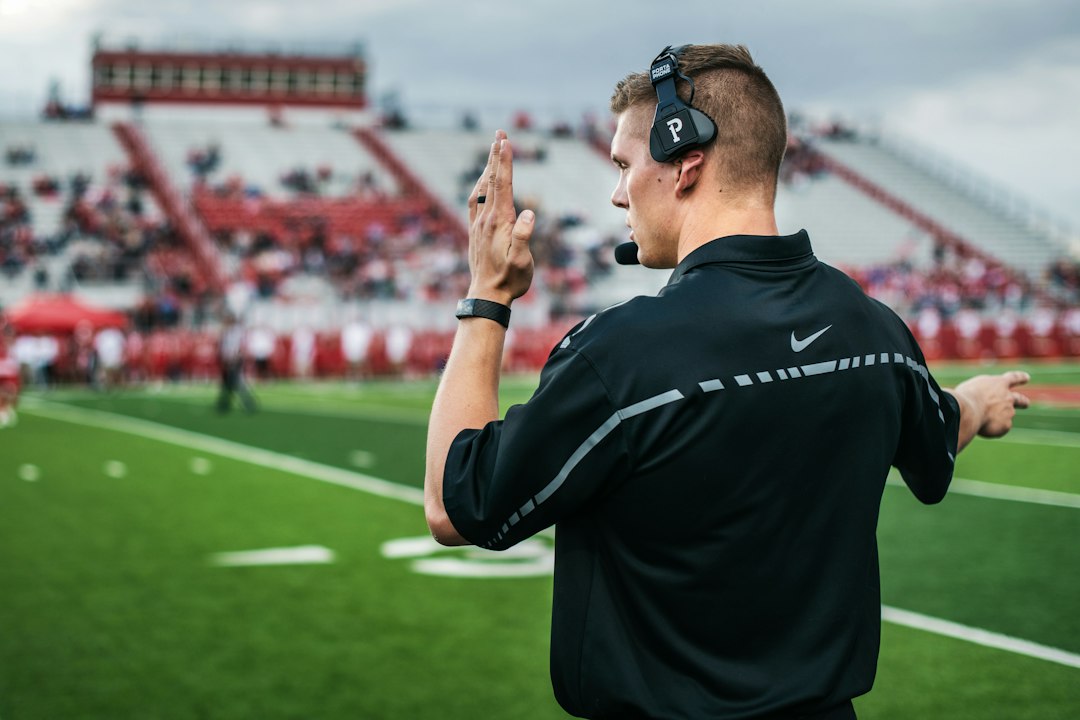
How does resilience shape a successful coaching career?
Resilience is an essential quality in professional sports, where expectations are high and challenges can emerge unexpectedly. A coaching career requires patience, discipline, adaptability, and the ability to remain focused during difficult periods. Kevin Sumlin offers an interesting example of how experience in competitive football environments can demonstrate the importance of perseverance. His journey highlights how leadership involves responding to pressure, learning from demanding situations, and continuing to develop professionally.
What can coaches learn from facing professional challenges?
Every coaching career includes demanding moments, whether they involve disappointing results, roster changes, or difficult decisions. These experiences test a coach’s ability to maintain perspective. Instead of allowing temporary setbacks to define an entire career, experienced leaders can use challenges to identify areas that need improvement.
A resilient coach understands that progress is not always immediate. Building a competitive team requires consistent preparation, effective communication, and a willingness to adjust strategies. These qualities help establish a professional environment in which players can continue working toward shared objectives.
Why is adaptability important in football leadership?
Football constantly evolves through changes in playing styles, athlete development, and competitive expectations. Coaches must recognize these developments and adjust their approaches accordingly. Remaining committed to established principles while accepting new ideas is an important leadership skill.
Adaptability also means understanding that different athletes respond to different forms of guidance. Some players benefit from direct instruction, while others develop confidence through encouragement and individual support. A thoughtful coaching approach considers these differences without losing sight of team responsibilities.
How does experience strengthen decision-making?
Experience allows coaches to recognize patterns, evaluate situations, and make decisions with greater perspective. Difficult seasons can provide valuable lessons about preparation, teamwork, and organizational communication.
However, experience becomes meaningful when it leads to reflection. Successful professionals regularly examine their decisions, recognize mistakes, and consider alternative approaches. This willingness to learn helps prevent past difficulties from becoming repeated obstacles.
What role does communication play in building resilient teams?
Strong communication creates trust between coaches and athletes. Players need clear expectations, constructive feedback, and an understanding of their responsibilities. When communication remains consistent, teams can respond more effectively to pressure.
A coach must also listen. Understanding players’ concerns, recognizing individual strengths, and addressing disagreements professionally can improve team relationships. These habits encourage accountability while helping athletes feel connected to a common purpose.
How can perseverance influence long-term professional growth?
Perseverance is not simply continuing the same approach regardless of circumstances. It involves maintaining commitment while recognizing when improvement is necessary. Coaches who remain open to learning can develop stronger leadership habits throughout their careers.
The professional journey of Kevin Sumlin illustrates how coaching involves more than preparing athletes for competition. It also requires managing expectations, responding to change, and maintaining professional standards during challenging periods.
What is the lasting lesson from a veteran coach’s journey?
The most valuable lesson is that resilience develops through consistent actions. Preparation, accountability, adaptability, and thoughtful leadership help professionals navigate uncertainty. Football success may be measured through competition, but lasting leadership is also reflected in the ability to learn, support others, and remain committed to improvement.
Ultimately, Kevin Sumlin represents an opportunity to examine how experience and perseverance contribute to a demanding coaching profession. His career provides a useful starting point for understanding why resilient leadership remains important in competitive sports.
What You Need to Know
- Resilience is a crucial quality for success in coaching, requiring patience, discipline, and adaptability in high-pressure environments.
- Kevin Sumlin’s coaching journey illustrates the importance of perseverance and learning from difficult situations in developing effective leadership.
- Adaptability is essential in football coaching as it allows coaches to respond to evolving playing styles and individual player needs.
- Experience enhances decision-making by enabling coaches to recognize patterns and reflect on past mistakes to improve future performance.
- Strong communication fosters trust between coaches and players, providing clear expectations and effective responses to pressure.
- Perseverance in coaching involves commitment to improvement and a willingness to revise approaches based on evolving circumstances.