
Understanding Hash Through Appearance, Aroma, Texture, and Composition
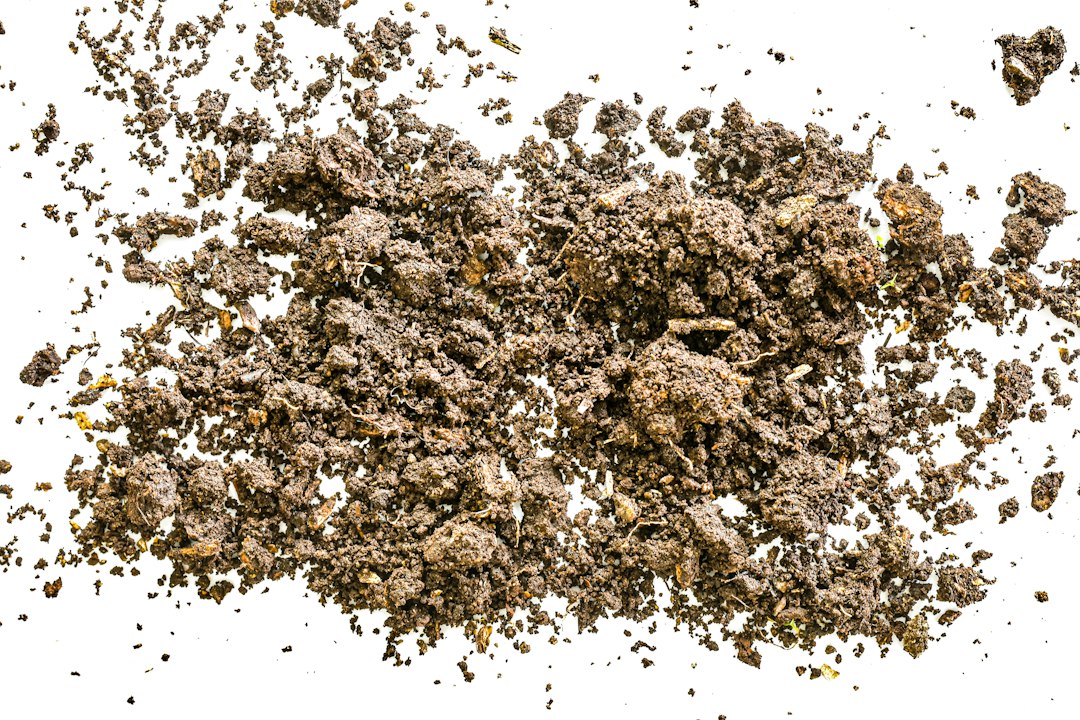
Which characteristics are most commonly used to describe hash?
Hash can be described through several observable and measurable characteristics, including color, texture, aroma, density, and chemical composition. These characteristics are interconnected but should not be treated as interchangeable. Hash is a cannabis-derived concentrate whose properties can vary according to botanical source, resin characteristics, processing conditions, and storage history.
Contents
- Which characteristics are most commonly used to describe hash?
- What does color indicate?
- Why is texture important?
- How does aroma contribute to identification?
- What causes differences in density?
- Can physical characteristics identify purity?
- Why does storage matter?
- What is the role of chemical composition?
- Are traditional characteristics always consistent?
- What should a balanced assessment consider?
A professional description therefore considers several factors rather than relying on a single visible feature.
What does color indicate?
Color can range from lighter tones to deeper brown shades. Natural variation may result from plant material, resin maturity, processing, oxidation, and storage.
Although color is easy to observe, it does not provide enough information to determine purity or chemical strength. A darker appearance is not automatically evidence of age or poor condition, while a lighter appearance does not guarantee a particular quality level.
Why is texture important?
Texture is one of the clearest physical differences between various preparations. Hash may be firm, crumbly, pliable, sticky, or relatively soft.
Temperature can affect consistency significantly. Moisture and storage conditions may also change the way a material feels. These characteristics can be useful for descriptive purposes but cannot substitute for chemical testing.
How does aroma contribute to identification?
Aroma is strongly connected with naturally occurring terpenes and other volatile compounds. Cannabis plants can produce varied aromatic profiles, resulting in earthy, floral, herbal, woody, spicy, or citrus-like descriptions.
Aroma can change during storage. Exposure to air, heat, and light may gradually affect volatile compounds, meaning the scent of an older sample may not fully represent its original profile.
What causes differences in density?
Density can be influenced by the amount and structure of resin-rich material and by physical consolidation during processing. Pressure, moisture, temperature, and handling can all influence how compact a preparation becomes.
Because these variables differ, density alone cannot establish chemical composition or safety.
Can physical characteristics identify purity?
No. Physical characteristics are useful for description but have limitations as indicators of purity. Contaminants and unwanted substances may not be visible, and visually similar materials can have different chemical profiles.
Laboratory testing offers a more reliable method for determining cannabinoid content and screening for contaminants.
Why does storage matter?
Storage conditions can influence appearance, texture, aroma, and chemical stability. Heat and light can accelerate changes in certain compounds, while excessive moisture can create additional quality concerns.
Understanding storage history can therefore provide important context when evaluating changes in a cannabis-derived material.
What is the role of chemical composition?
Chemical composition provides information that visual and sensory observations cannot establish. Cannabinoids and terpenes contribute to the overall profile, while laboratory analysis can provide objective information about their presence and concentration.
Testing can also help identify unwanted substances that may not be detectable through ordinary observation.
Are traditional characteristics always consistent?
No. Traditional preparations vary according to regional practices, source material, processing traditions, and environmental conditions. This diversity explains why hash can have noticeably different appearances and textures while belonging to the same broad category.
Professional descriptions should recognize this variation rather than treating one appearance as a universal standard.
What should a balanced assessment consider?
A balanced assessment considers botanical origin, physical appearance, aroma, texture, processing background, storage conditions, and laboratory findings where available. No single characteristic provides a complete picture.
The most reliable understanding comes from separating observable properties from scientifically verified information. This approach provides a clearer and more responsible perspective on the diverse characteristics associated with hash.
Key Takeaways
- Hash is a cannabis-derived concentrate whose properties may vary based on botanical source, resin characteristics, processing conditions, and storage history.
- Color can vary from lighter to deeper brown shades, influenced by factors such as plant material, resin maturity, and oxidation.
- Texture is a significant physical difference between preparations of hash and can be affected by temperature, moisture, and storage conditions.
- Aroma is linked to terpenes and volatile compounds, and its profile can change over time due to storage conditions and exposure to air, heat, and light.
- Density is determined by the amount and structure of resin-rich material and can be influenced by pressure, moisture, temperature, and handling.
- Chemical composition provides insights that visual and sensory observations cannot establish, making laboratory analysis essential for accurate assessment.