What Makes 3D-Printed Implants a Smart Choice for Complex Spines
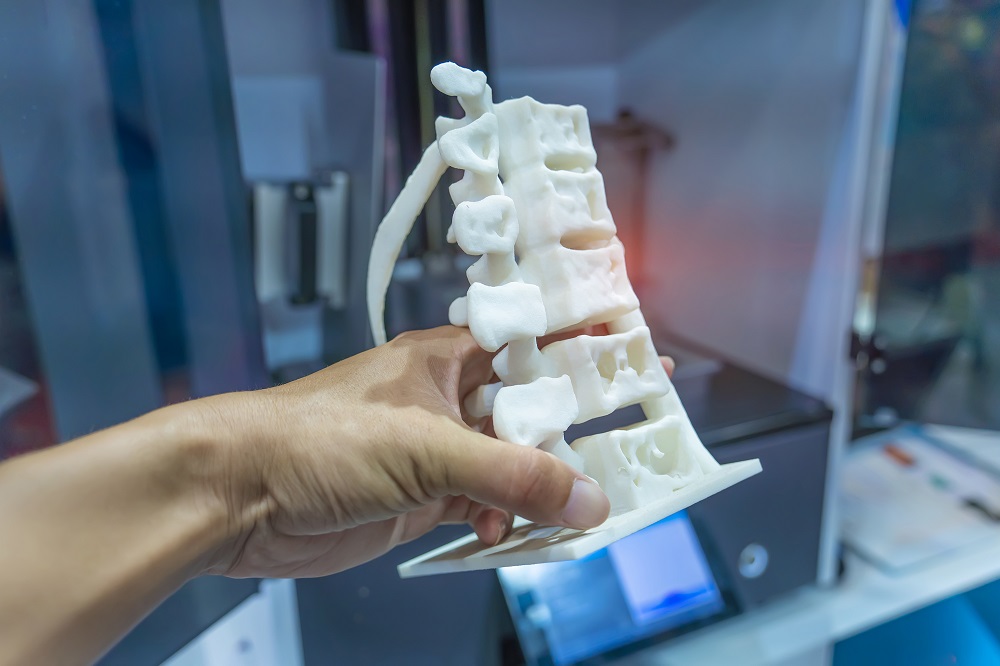
Spinal surgery is rarely a one-size-fits-all procedure, especially for patients with significant deformities, past surgeries, or conditions that have altered the structure of their spine. In these cases, standard implants can fall short of what is needed. Dr. Larry Davidson, an experienced surgeon in the field, highlights that 3D-printed spinal implants are changing the way complex spine cases are approached by offering tailored solutions that enhance stability, reduce risk and improve long-term outcomes.
For patients facing difficult spinal reconstructions, 3D-printed implants provide a new level of precision and personalization. These custom devices are designed with the individual’s anatomy in mind, helping surgeons overcome challenges that were once considered high risk or technically unmanageable.
Challenges in Treating Complex Spinal Anatomy
The human spine is naturally intricate, but in cases of scoliosis, trauma, infection or prior surgical intervention, complexity increases dramatically. The vertebrae may be rotated, misshapen, or fused in atypical ways. Bone quality may be compromised, and scar tissue or prior hardware can limit access and maneuverability during surgery. These conditions make it difficult for surgeons to rely on standard tools and implants.
Even minor inaccuracies in implant fit or placement can lead to pressure on surrounding nerves, instability, or future mechanical failure. For the patient, this can mean longer recoveries, continued pain, or the need for revision surgery. Effective treatment for complex spines depends on the ability to match the surgical solution to the patient’s anatomy, something that traditional implants are not always equipped to do.
Why Standard Implants May Not Be Enough
Standard spinal hardware is mass-produced in fixed sizes and shapes. While it works well in many straightforward cases, it has limitations when used in patients whose spinal structures are unusual. Surgeons using standard implants often have to adjust the surgical approach in real time to accommodate hardware that doesn’t perfectly match the bone. It can mean additional cutting, reshaping, or repositioning steps that increase the procedure’s complexity and risk.
In some cases, surgeons may have to compromise between optimal implant placement and what the available tools allow for surgery. These compromises can lead to uneven load bearing, reduced spinal stability, or inadequate fusion, all of which raise the likelihood of long-term complications.
Advantages of 3D Printing in Spinal Reconstruction
3D-printed implants are designed using highly detailed imaging of the patient’s spine, typically from CT or MRI scans. These scans provide a clear picture of the bone structure, alignment, and spatial relationships between vertebrae. Using this information, engineers and surgeons can create a custom implant that precisely matches the contours and requirements of the patient’s anatomy.
The result is a device that fits more naturally, requires fewer intraoperative adjustments, and provides better overall support. Because the implant is designed ahead of time, surgeons can plan the procedure in detail, simulate placement and anticipate potential challenges before entering the operating room.
Customization for Deformities and Prior Surgeries
One of the strongest cases for 3D-printed implants is in patients who have previously undergone spinal surgery. Scar tissue, hardware remnants, or altered bone structures can make it difficult to use conventional techniques or components. A standard implant may not conform to the new anatomy or may interfere with existing materials.
With 3D printing, implants can be tailored around these obstacles. Whether it’s filling a unique bone gap, avoiding an area of scar tissue or complementing older hardware, custom devices offer the flexibility to solve problems without creating new ones. The same applies to patients with severe deformities. Instead of forcing a standard shape into an irregular spine, surgeons can use an implant that fits the deformity and supports correction without added trauma.
Enhanced Fit, Stability and Fusion Potential
Precision fit isn’t just about making surgery easier. It has a direct impact on the mechanical success of the implant. When the device matches the bone surface closely, it distributes pressure evenly and reduces micromotion that can lead to loosening. Many 3D-printed implants also feature porous surfaces that promote bone growth.
This biological integration enhances long-term stability and reduces the likelihood of revision surgery. The implant doesn’t just sit in place. It becomes part of the spine structure. By improving the initial mechanical fit and supporting natural fusion, these implants offer the dual benefit of better immediate outcomes and more reliable long-term results.
Addressing the challenges of complex spinal anatomy requires more than technical skill. It requires tools that match the problem being solved. Dr. Larry Davidson shares, “Personalizing treatment based on each patient’s unique anatomy and fracture pattern allows us to deliver better results and reduce the risk of complications.” By starting with the patient’s anatomy instead of adjusting to a fixed device, the care team is better equipped to support healing, comfort and stability.
Patient Outcomes and Surgical Confidence
In hospitals and surgical centers where 3D-printed implants have been adopted, both patient satisfaction and surgeon confidence have grown. These devices have shown promise in patients who have struggled with prior surgeries or who face long-standing deformities that resisted earlier treatment attempts. With a tailored implant and a detailed preoperative plan, surgeries tend to be shorter, more precise, and less prone to complications. This efficiency helps reduce hospital stays, post-operative pain, and reliance on narcotic medications during recovery.
Patients benefit not just from the implant itself but from the entire process that supports its use, imaging, planning, execution, and follow-up. As more outcomes data become available, these benefits are gaining recognition not just in clinical circles but also among insurers and health systems looking for cost-effective, high-value care. 3D-printed implants offer a clear advantage for treating complex spinal conditions. By delivering a custom fit based on patient-specific anatomy, they improve surgical precision, reduce complications and support long-term success.
For individuals with spinal deformities, prior surgeries or unusual bone structures, these implants provide options that didn’t exist in the past. With the expertise of surgeons leading their application, 3D-printed spinal solutions are becoming a vital part of modern spine care. Their ability to adapt to the most challenging cases makes them a smart, effective choice, one that prioritizes both surgical success and the patient’s path to recovery.