
How Event Management Companies Deliver Business-Driven Experiences
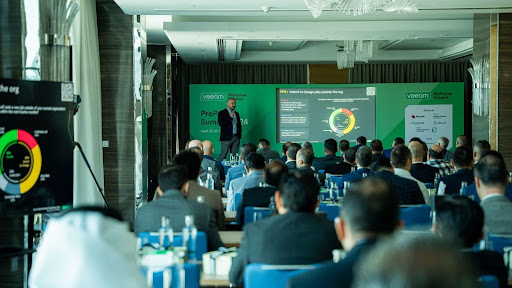
Modern business events are no longer defined by scale or spectacle alone. Organizations now expect every initiative to contribute directly to strategic objectives such as brand positioning, stakeholder alignment, or commercial growth.
This shift has redefined how professional partners approach planning and execution, emphasizing purpose, accountability, and measurable value. Rather than focusing solely on logistics, a structured methodology is applied to ensure that each decision supports clearly defined outcomes.
From concept development to post-event analysis, the best event management companies in UAE operate with a business-first mindset, aligning creativity, operations, and technology into a cohesive framework.
This approach allows events to function as strategic tools rather than isolated activities, helping organizations communicate intent, strengthen relationships, and achieve tangible business results in an increasingly competitive environment.
Understanding how this approach works provides clarity for decision-makers seeking reliable, outcome-oriented partnerships in a competitive corporate environment.
Aligning Business Objectives with Event Strategy
Successful business-driven experiences begin with clarity of purpose, where strategic goals shape every planning and execution decision from the outset.
- Goal-driven planning: Business priorities are clearly defined before any planning begins, ensuring objectives are specific and measurable. Each activity, session, and touchpoint is aligned with these objectives to support purposeful outcomes. This approach eliminates generic engagement and keeps the experience focused on business value.
- Audience relevance mapping: Participant profiles are carefully evaluated to understand expectations, preferences, and decision-making behaviors. Formats and content flow are designed to match how different stakeholders consume information. This ensures interactions feel relevant, intentional, and aligned with audience needs.
- Structured execution models: Detailed frameworks outline timelines, approval cycles, and accountability at every stage. Responsibilities are clearly assigned to avoid delays or overlaps during execution. Strategy remains the guiding force, preventing reactive or unplanned decision-making.
By anchoring planning decisions to clearly defined objectives, organizations ensure that every experience delivers purpose, relevance, and measurable business value.
Embedding Brand and Messaging Consistency
A well-executed experience reinforces brand identity by ensuring messaging, visuals, and interactions speak with one consistent and intentional voice.
- Strategic brand integration: Brand values are embedded into visual language, content tone, and overall experience design. Every element works together to create a consistent and recognizable brand presence. This alignment strengthens brand credibility across all audience touchpoints.
- Message-led experience design: Core narratives guide the structure of sessions, spatial layouts, and engagement moments. Messages are delivered through experience rather than overt communication. This ensures clarity while maintaining a professional and refined tone.
- Market-aware positioning: Local market dynamics and cultural nuances are carefully considered during planning. A professional event company in UAE aligns messaging with regional expectations. Global brand integrity is maintained while ensuring local relevance and acceptance.
This consistency transforms experiences into strategic brand assets, strengthening credibility and reinforcing messaging across every audience interaction.
Operational Control and Resource Optimization
Operational excellence lies in disciplined coordination, where resources, timelines, and responsibilities are managed with precision and accountability.
- Centralized coordination: All vendors, venues, and technical teams function under a single operational framework. Clear communication channels reduce duplication, delays, and misalignment. This unified approach ensures smooth execution and consistent quality delivery.
- Cost-to-value assessment: Budget planning focuses on outcomes rather than isolated cost components. Resources are allocated where they create measurable business impact. This ensures financial efficiency without compromising strategic priorities.
- Risk and continuity planning: Potential challenges are identified during the early planning stages. Alternative solutions and backup plans are documented in advance. This preparation safeguards execution against unforeseen operational or external disruptions.
When operations are managed with discipline and foresight, execution remains efficient, resilient, and aligned with strategic priorities.
Leveraging Technology for Measurable Outcomes
Technology plays a critical role when applied strategically, enabling efficiency, insight generation, and performance tracking without disrupting engagement.
- Purpose-driven technology use: Digital tools are chosen based on functional relevance rather than novelty. Each platform supports registration, engagement, or communication seamlessly. This ensures technology enhances the experience without adding complexity.
- Data-informed execution: Insights collected before and during execution guide informed decision-making. Real-time data enables timely adjustments to improve audience engagement. Post-event analysis supports accurate evaluation of outcomes and impact.
- Scalable operational systems: Technology frameworks are designed for flexibility and long-term use. Systems support consistent delivery across multiple formats and locations. This scalability enables efficient replication for future initiatives.
Used with intent, technology becomes a performance enabler, supporting smarter decisions and more accountable outcomes.
Post-Event Evaluation and Business Impact
The true value of an experience is determined after execution, through structured evaluation that measures outcomes, insights, and long-term relevance.
- Outcome-focused measurement: Performance is evaluated against clearly defined objectives set during planning. Focus remains on relevance, engagement quality, and strategic alignment. This ensures success is measured by impact rather than assumptions.
- Transparent stakeholder reporting: Performance data is organized into clear, concise reports. Insights are presented in a way that supports informed leadership decisions. This transparency builds confidence in outcomes and future planning.
- Continuous improvement approach: Key learnings are systematically documented after each execution. Insights are translated into actionable improvements for future initiatives. This approach strengthens long-term strategy and delivery consistency.
Structured evaluation ensures that insights translate into action, allowing organizations to continuously refine strategy and maximize long-term impact.
Final Thoughts
Delivering business-driven experiences requires more than executional expertise; it demands strategic alignment, operational discipline, and measurable accountability. Professional partners operate as an extension of the organization, ensuring every initiative supports broader business goals. When selecting an event company in Dubai, organizations should prioritize those that demonstrate structured thinking, consistency, and outcome-driven methodologies.
For businesses seeking a partner that combines strategic clarity with professional execution, connect with Markable International to explore how business-aligned experiences can create lasting value.
With a structured, outcome-driven approach and a strong focus on precision, they support organizations in translating objectives into impactful experiences. This enables brands to achieve measurable results while maintaining consistency, professionalism, and long-term strategic relevance across initiatives.