
Inside the Quiet Afterlife of Infrastructure Powering Modern Data Centers
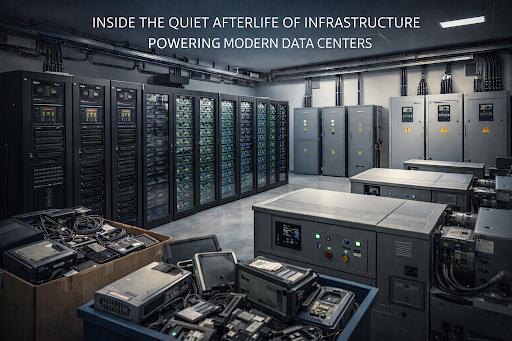
Modern data centers are designed for relentless performance, yet their most critical phase often begins after systems are powered down for the last time. As facilities scale, consolidate, and modernize, large volumes of retired hardware quietly exit active service. In regions with dense digital infrastructure, data center equipment recycling in Dubai has become an operational necessity rather than a peripheral concern.
The retirement of servers, storage arrays, and network systems introduces questions that extend beyond physical removal. Data security, environmental responsibility, and regulatory alignment converge at this stage. Managing this transition carefully ensures that innovation does not leave behind unmanaged risk or material waste.
The Hidden Lifecycle of Data Center Infrastructure
Data center infrastructure follows a lifecycle that is largely invisible outside technical teams. Equipment is deployed, optimized, and eventually replaced as performance demands increase or architectures evolve.
What distinguishes data center assets from other electronics is their scale and density. A single refresh cycle can involve thousands of components, each requiring traceable and controlled handling once removed from service.
Why End-of-Life Infrastructure Requires Structured Oversight
Retired data center equipment retains both physical and digital value. Storage media may still hold recoverable data, while components contain materials that require responsible processing.
Without structured oversight, organizations risk data exposure and environmental noncompliance. Purpose-built processes ensure that retirement activities align with enterprise governance and sustainability objectives.
Data Residuals in Decommissioned Systems
Even after logical decommissioning, data often persists on drives and embedded storage. Residual information can remain accessible if devices are not handled correctly.
Structured end-of-life workflows prioritize data sanitization before any physical processing begins. This approach protects organizations from breaches originating long after systems leave production environments.
Environmental Considerations of High-Density Hardware
Servers and related equipment contain metals, plastics, and electronic components that demand controlled processing. Improper handling can release harmful substances into the environment.
Responsible processing channels these materials into recovery streams, supporting sustainability goals while reducing landfill dependence.
Compliance and Accountability Pressures
Data centers operate within strict regulatory environments. Asset retirement intersects with data protection laws, environmental regulations, and internal audit requirements.
Documented processes create defensible records. Accountability at this stage demonstrates that infrastructure retirement is managed with the same rigor as deployment.
Scaling Decommissioning Across Expanding Facilities
As data centers expand or consolidate, decommissioning becomes a recurring operational activity rather than a one-time event. Scale introduces complexity that manual or ad hoc methods cannot support.
Standardized frameworks allow organizations to manage repeated retirement cycles without compromising control. These frameworks balance efficiency with traceability across facilities.
Infrastructure Supporting Responsible Hardware Retirement
Behind every successful decommissioning effort lies a network of facilities, logistics, and verification systems. These elements ensure that retired equipment is processed safely and transparently.
This supporting infrastructure transforms retirement from a risk point into a managed process aligned with enterprise standards.
Secure Logistics and Controlled Movement
The physical movement of decommissioned hardware presents security risks if not controlled. Devices in transit must be protected against loss or unauthorized access.
Secure logistics protocols include documented transfers, controlled access, and reconciliation at each stage. These measures extend security beyond the data center floor.
Assessment and Processing Pathways
Once received, equipment is assessed to determine appropriate processing routes. Components may be directed toward material recovery or specialized treatment depending on their composition.
This structured assessment ensures that each asset is handled according to its risk profile and material characteristics.
Documentation and Verification Systems
Documentation underpins trust in the retirement process. Records confirm that assets were processed according to defined standards and timelines.
Verification systems provide evidence that supports audits and internal reporting, reinforcing confidence in end-of-life management practices.
Aligning Retirement with Data Center Governance
Effective hardware retirement is integrated into broader data center governance frameworks. Policies define triggers for decommissioning and assign accountability across teams.
Integration ensures that retirement planning is considered during procurement and capacity planning, reducing surprises when assets reach the end of life.
Enterprise and Environmental Objectives in Balance
Organizations increasingly view infrastructure retirement through dual lenses of risk management and sustainability. Balancing these objectives requires coordinated planning.
When retirement processes align with environmental commitments, organizations demonstrate responsibility without sacrificing operational efficiency.
Security-First Retirement Models
Security considerations guide decisions from initial shutdown through final processing. This model treats retired equipment as sensitive until proven otherwise. Clear ownership and escalation paths prevent gaps in responsibility that could expose data or assets.
Sustainability Metrics and Reporting
Measuring environmental outcomes provides insight into the effectiveness of retirement programs. Metrics may include material recovery rates and diversion from landfill. Transparent reporting supports corporate sustainability narratives grounded in operational reality.
Cross-Team Coordination and Training
Retirement activities involve IT, facilities, security, and compliance teams. Coordination ensures that procedures are followed consistently across departments. Training reinforces awareness of risks and responsibilities, embedding best practices into daily operations.
Preparing for Future Infrastructure Transitions
Emerging technologies will eventually enter the retirement cycle. Edge computing, modular data centers, and integrated systems introduce new considerations.
Forward-looking organizations design adaptable frameworks that can evolve alongside technology. Preparation reduces friction when future transitions occur.
Measuring Success Beyond Asset Removal
Success in infrastructure retirement is measured by outcomes rather than speed. Secure data handling, environmental compliance, and audit readiness define effectiveness.
Continuous evaluation helps refine processes. Lessons learned from each cycle inform improvements in future decommissioning efforts.
Final Thoughts on the Afterlife of Data Center Infrastructure
The quiet afterlife of data center infrastructure is where responsibility is most clearly demonstrated. Thoughtful retirement practices protect data, support sustainability, and reinforce governance in environments defined by scale and complexity.
As organizations navigate ongoing infrastructure change, structured data center equipment recycling becomes a critical component of lifecycle management.
Planet Green Recycling operates within this space by addressing secure handling, environmental processing, and compliance-focused outcomes that reflect the evolving demands of modern data centers.